Introduction to A2 Coursework

My name is Amber Mota, candidate number 9114, and for my A2 Coursework I am in Group 1. I am working along side Shayam Utting (candidate number: 9164) and Alistair Price (candidate number: 9137) to create a music video. The links to my work are on the right-hand side and are entitled: A2 Research and Planning, A2 Construction and A2 Evaluation.


'Trip Switch' By Come What May


'Trip Switch' By Come What May

Front Digipak

Front Digipak
Front Digipak

Inside Digipak

Inside Digipak
Inside Digipak

Our Website - Please click the image to enter site

Thursday, 15 October 2015

R&P Post 7: Record labels of interest

The global music industry is a very complicated and has a very intricate design. For this reason, I have decided to research the system of record labels and their layout in the modern industry, as well as a few specific case studies I have done.


First of all, there are the Big Three; which are the major dominating labels since 2012. These are; Universal Music Group, Sony Music Entertainment and Warner Music Group. Since 2007, the Big Three (previously the Big Four) music groups control about 70% of the world music market and about 80% of the US music market. I find this particularly interesting, as there is such a clear dominance unlike any other industry, including film.


I have also done some research in to the history of this formation of the industry. I have learnt that in the 1970's and 1980's there was a period of industry consolidation, which meant that a lot of small independent companies where bought up and these large monopolistic conglomerates were formed. Despite this, in the 1990's there was a resurgence of independent labels due to advances in technology and also because more established artists began to buy their own record labels. Furthermore, at this time, on the punk rock scene, the DIY ethic encouraged bands/artists to self-publish and self-distribute. Later there was a further increase in independent labels, through the rise of digital labels. Now there are over 7,480 businesses in the UK music industry. Furthermore, independent labels, including the three below, are often considered more artist friendly and labels normally offer a 50-50 profit share agreement

Marshall Teller
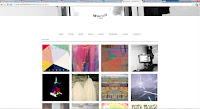

Founded in 2010 by a single guy, Marshall Teller is a great example of a successful small independent label. They are crucial  to the alt-rock scene and are known for releasing music from local artists and friends, which means the previously unheard underground sound is being widely released for the general public to consume. Another reason as to why I am particularly interested in this label is because it specializes in American youth culture and 90's nostalgia; a concept I would like to explore in my own project.

Young Turks

Young Turks is a British independent record label owned by Beggars Group. It was launch as an imprint of XL Records in 2006. The label's current roster includes The XX, FKA Twigs, SBTRKT, Sampha and Jamie XX. The main reason that I have chosen to research Young Turks is because I am extremely interested in the company set-up. At first I was unsure about what an imprint label was, but after reading a few articles I have discovered that an imprint label is just a branding technique and that legally it is not a subsidiary company. This means that Young Turks is actually just a group of artists that are signed to XL Records in order to create a quirky and unique brand identity that works in symbiosis with the marketing of the individual artists.


Rough Trade

Launched in 1978, Rough Trade became a well established independent record label and has a number of big name signings such as The Smiths and Buzzcocks. They have always specialized in the indie scene as well as some rock and post-punk. Despite closing during the 1990's for financial issues, the label was revived in 2000 and has since re-confirmed their place in the market with recording acts such as Warpaint and Howler and creating a new chain of shops around London. I find this label particularly interesting as they have a similar target audience as I have in mind and they use various more traditional methods, such as listening stations and special edition vinyl, to keep customers coming back. Also, as you can see from the diagram below, Rough Trade sign a variety of artists, however they are predominately based around rock and indie music; the genres I am most interested in.

R&P Post 6: Current trends in popular music

After having done research, I notice some huge changes within trends in popular music, as well as some clear consistencies. I can see major readjustments occurring in terms of the structure of the industry, however genre tastes seem to have remained fairly constant.

The Industry


Firstly, there is a gradual revolution occurring agains the traditional music business model. Artists and publishers alike, are stepping away from record label conglomerates and are taking control themselves, thanks to sites like Kobalt. This independent online publishing company now offered labels, managers and artists user-friendly analysis tools, which makes it easier for them to review and understand all their varied income, and as a result take control of their music. This is now starting to catch on and artists such as Lenny Kravitz are trying it out.

A photo I took of
'The Weeknd' image filter
In addition, companies that have the ability to distribute content are seeking to partner with music owners. One example of this is between Sony Pictures and Snapchat; who are interested in forming coalitions with the online video channel VEVO. Furthermore, Snapchat are also providing a differe

nt route for artists to share their music and music videos (in competition with VEVO). In May 2015, electronic musician Josh Legg, aka Goldroom, premiered four music videos on the app. The experience included a message from Goldroom and then requires Snapchat users to swipe through clips until reaching the music video. In my opinion, this move represents a new, low budget way to connect with fans, as well as an effort to try and reinstate the significance of music videos.

As a Snapchat user and music consumer, myself, I also noticed this symbiosis start to occur. The first example of this is when 'The Weeknd' was playing live at the apple music festival and there was a image filter made available, denoting this.

Streaming is another aspect of the music industry that is beginning to change. In the wake of Taylor Swift pulling out her catalogue from both Spotify and Deezer, the industry has been left divided over whether streaming benefits the artists or not. With some arguing that you just have to get creative with other forms of advertising on these streaming sites, whilst others are certain that paying for the music before the consumer listens is the only lucrative business model. This debate is crucial to current trends in popular music, as it could potentially completely change the ways in which we consume music.

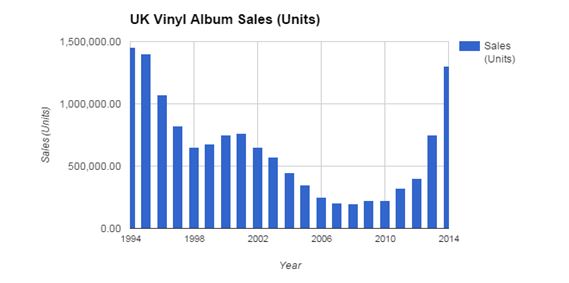
One of the most surprising recent trends has been the vinyl revival. Nearly 8 million old-fashioned vinyl records were sold last year, up 49% from 2013. In November 2014, it was reported that over one million vinyl records had been sold in the UK since the beginning of the year, sales had not reached this level since 1996.  Professionals have been shocked at the revival of this old trend, but as can be seen from the graph below, it shows no sign of stopping.


The Audience

In 2014, there has been some re-adjustments in the way the UK audience consume music.

Firstly, album sales generated £713m last year, compared to £773m in 2013 - a decline of 7.8%. Meanwhile, singles revenue went from £168m in 2013 to £142m in 2014, representing a 15.3% slip. However, the  value of streaming soared in 2014, with revenues of £175m easily surpassing 2013's £106m - a £65.1% increase. Furthermore, the number of audio streams from digital services such as 'Spotify' and 'Deezer' doubled. Through analyzing this data, I have a better understanding of what is selling and what isn't, but it has also taught me that my album would need clever marketing and packaging in order to be successful.

Secondly, in the genre market, Pop music overtook rock as the UK's most popular genre by album sales, holding its biggest market share since the late 90's. It is for this reason that I think creating an alternative-rock band with wide appeal would be a great way to revitalize the rock market whilst also interesting some of the pop fans. In addition, rock music's share of the singles market grew to its largest in four years, to 24.3%, meaning a single from a debut rock band would have the potential to do well.

R&P Post 5: The kind of video I would like to make

After watching a magnitude of music videos I feel certain that I know the style of music video I am after. Below I will reference current music videos in order to clearly denote what I want from my own project.


Firstly, I am interested in making clever conceptual music video that is potentially satirical. 'Money' by Peace is a very good example of this. At first the video appears to be about a man and his venture through a serious business setting, making the audience understand the representations as quite somber and humorless. This is then cleverly juxtaposed with the extravagant hand-shakes. At the surface this concept can be perceived as simple light comedy, however if you look closer it holds deeper meaning that reflects on the working world and the system of promotion. The video uses Freud's theory of humor (that jokes let out our forbidden thoughts and feelings that the conscious mind usually suppresses) to pose subtle questions about society. This video is very inspirational as it uses complex conceptual ideas, without overwhelming the audience. I am very keen to replicate this structure as well as the ambiance and meaning that is created.


In addition, I would also like to incorporate interesting cinematography into my video that would work symbiotically with a highly conceptual narrative. 'Water Me' by FKA Twigs is very strong example of careful artistic design being used as a tool for more intense storytelling.


Lastly, I would also like to create a technologically sound video that incorporated small camera tricks along side clever editing, in order to create an exciting and fun piece; whilst still keeping it interesting and conceptual. 'Fear and Delight' by The Correspondents is one influence for this. It contains flawless camera tricks that create a distorted reality and plays with the imagination of the audience.

R&P Post 4: Audience groups of interest*

There are two primary audience groups that I am very interested in; the UK market and fans of the rock genre. I have decided to follow up my interest by doing some research into facts and statistics as well as talking to different people from these audience groups.

The UK Audience


Firstly, the UK market is the world biggest consumer of music relative to its population with 1.6 album bought per head. This information is extremely surprising, considering that the UK industry is only the third biggest in the world and this information signifies that the UK market is highly lucrative. It also reveals that this market has strong potential to expand further; a good market to invest in. Furthermore, the UK music industry has originated whole music genres from punk to dubstep and grime. To me, this proves that the UK audience has very broad genre tastes, as well as an
adaptive and experimental nature.

For all of the reasons above, I think the British market is very important and will prove to be an essential part of my music video audience.

Fans of the Rock Genre

The second key audience group I am particularly interested in are fans of Rock. The main reason for my initial interest was the huge age range within this group as well as the variety of cultures and backgrounds of each different fan. In order to gain some valuable evidence of this, I have spoken to some people from within this fan base, (as well as some outsiders) to hear their opinions and music habits.

Here are the notes I made throughout the interviews:


In addition, I also did some research into the audience listening and purchasing habits. Firstly, in terms of album sales by genre, rock took up 33.8% of the market in 2013, beating pop music to the top spot by 2.8%. Secondly, in reference to streams by genre, rock beat pop once again (34.6% to 27.7%). In fact, the only time pop beat rock was in singles sales. From this I have learnt a lot about the Rock audience and that they tend to buy by album and use streaming as their alternative method of listening. This information will be crucial to my project when deciding on the marketing strategies.

Sunday, 11 October 2015

R+P Post 3: Music genres that interest me

I have one main music genre that interest, which is Rock, with that being said there are also many smaller genres that I enjoy; Pop Punk, Alt. Rock, Indie and Brit Pop. On top of this, I have also been heavily impacted and influenced by Jazz, Blues and Soul music.

Below I have created a timeline of eras with significant genre evolutions and changes in the industry that interests me.

1950's - The creation of the Rock & Roll genre


One of the first rock groups ever to come on the music scene was 'Bill Haley & His Comets'. They were considered revolutionary as this rock n' roll genre had never been heard before; in its entirety.


In 1954, The King of Rock & Roll; Elvis Presley, broke onto the music scene. His unique voice, style and dance moves were revolutionary and ground-breaking. He change the music industry dramatically and 60 years later, his impact on the industry is still significant.


1960's - The Swinging Sixties


On the 14th January 1965, Bob Dylan released 'Subterranean Homesick Blues'. In addition to the song's influence on music, the song was used in what became one of the first "modern" promotional film clips, the forerunner of what later became known as the music video. Although Rolling Stone ranked it 7th in the magazine's October 1993 list of "100 Top Music Videos", the original clip was actually the opening segment of D. A. Pennebaker's film, Dont Look Back, a documentary on Bob Dylan's 1965 tour of England.


The Supremes released 'A Go-Go' in 1966 and were the first all-female group to reach number 1 in the Billboard 200 Album Charts. This had a huge impact on the music industry as it helped prove that women could make successful music  and as a result opened doors for a lot more female artists.


Motown Records Corporation was also created. Motown played an important role in the racial integration of popular music as an African American-owned record label which achieved significant crossover success. Motown and its subsidiary labels were the most successful proponents of what came to be known as the Motown Sound, a style of soul music with a distinct pop influence. During the 1960s, Motown achieved spectacular success for a small record company: 79 records in the Top Ten of the Billboard Hot 100 record chart between 1960 and 1969.


1970's - Dramatic changes in the Rock genre

The 70's were famous for its leap in the rock genre. There were many sub-genres of rock created and the rock industry as a whole was hugely changed and developed.


The hard-rock subgenre was taken to a whole new level by 1973's Kiss. They were one of the first bands to ever experiment with garish make styles (as you can see in the photo). They were considered quite edgy and groundbreaking as a result of this.


Secondly, Rock began to become more associated with younger generations due to the angst and aggression shown by these bands when performing live. One great example of this were The Ramones, who were renounced for their high octane gigs and anti-establishment views.


From 1974 to 1976 the Punk Rock sub-genre was formed. The Sex Pistols were one of the most successful punk bands of this era. They were also favored among the youth.


1980's - The years of diversity

In the summer of 1981, one of the biggest revelations in music to date was broadcast. This was when MTV was created. On the right is the first every broadcast on the channel.


The New Wave genre was formed. This genre was associated with mod subculture and was a key part of the independent part of the industry. The Culture Club (Left) is a great example of the genre.


Hard rock, heavy metal and glam metal also experienced extreme popularity in the 80's. Guns N' Roses has now been credited with reviving the mainstream popularity of hard rock music. Their late 80's have been described as the period in which they brought forth a 'hedonistic rebelliousness' (alongside The Ramones and other rock artists). In 2012, the band was inducted into the Rock and Roll Hall of Fame.


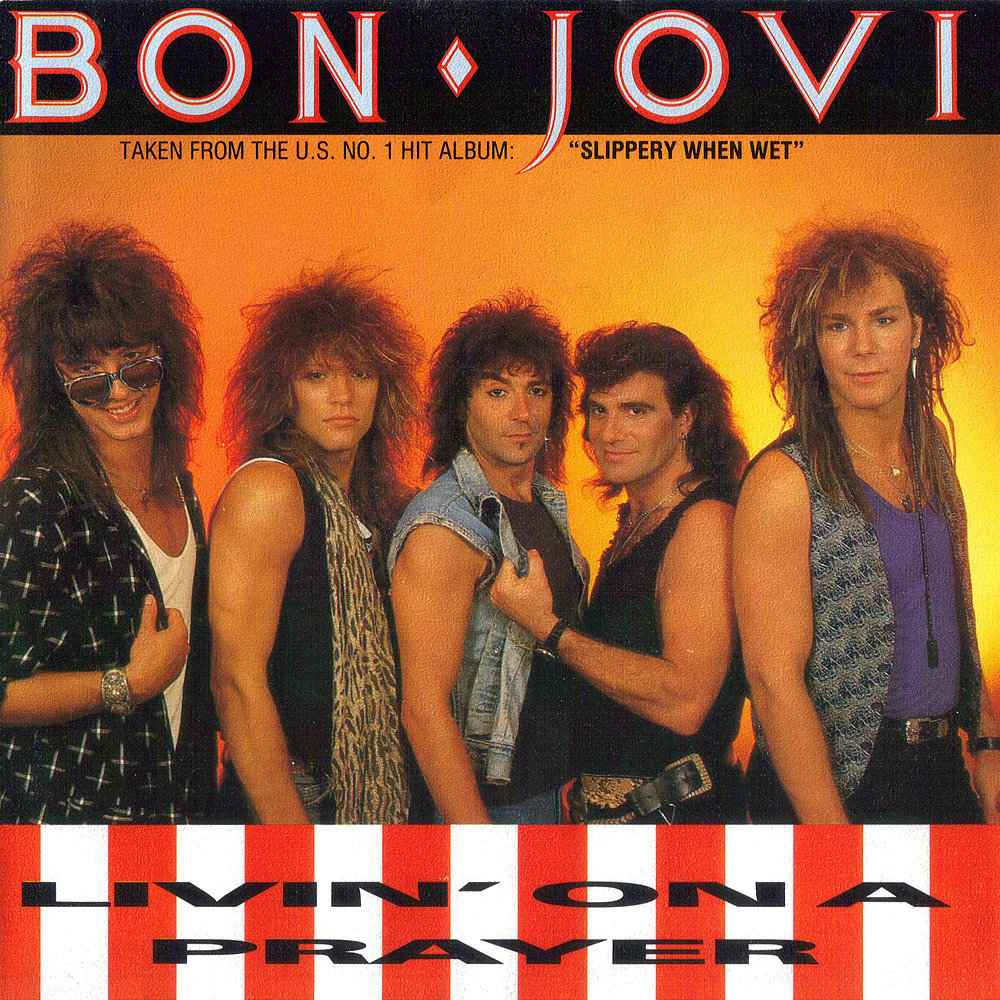
In addition Bon Jovi; an american glam rock/hard rock band. They have released 13 studio ablums and are one of the world's best-selling bands of all time, having sold more than 1 million records worldwide.


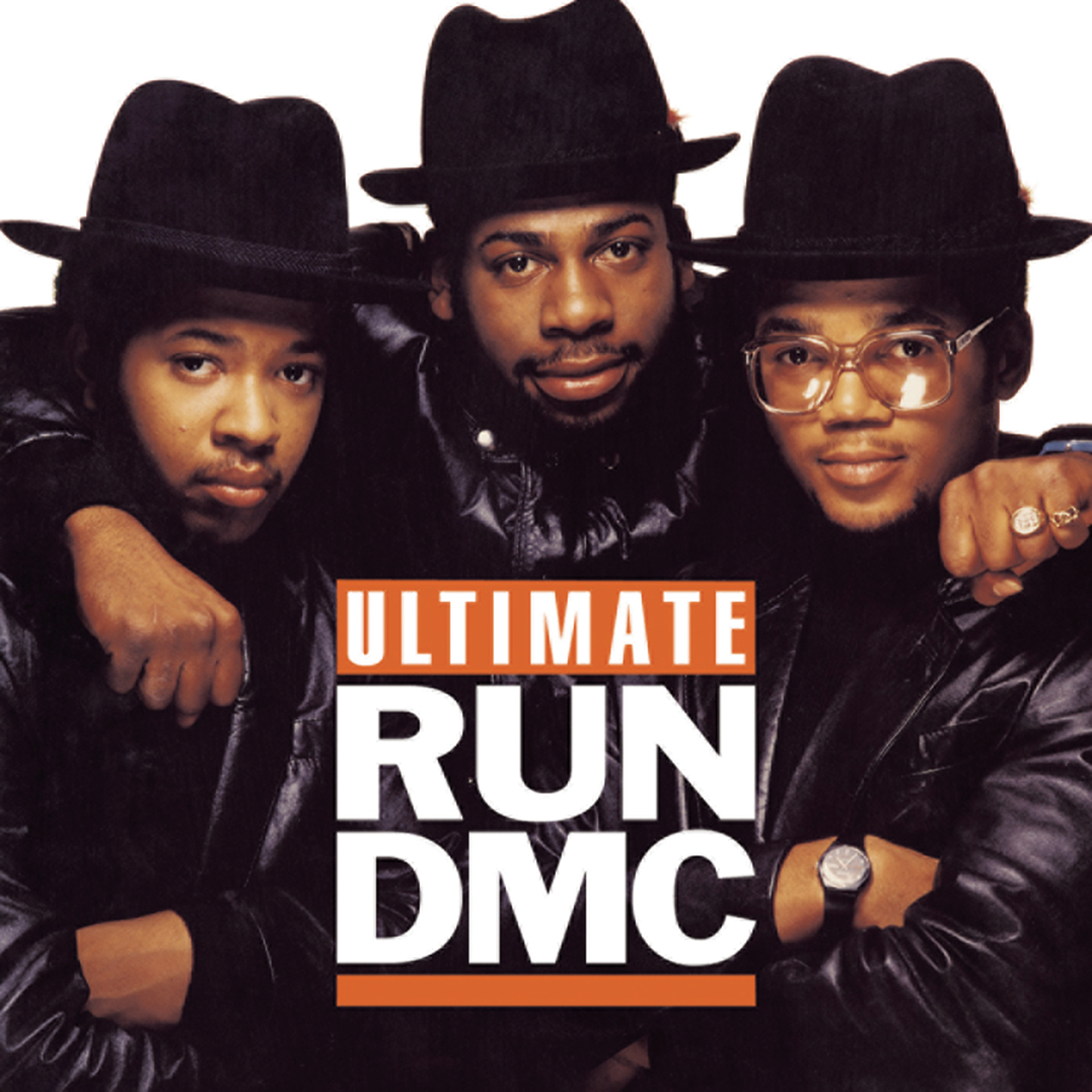
The hip-hop scene was also developed massively during these years with groups such as Run-DMC being one of the pioneers in this movement. Then, in 1986, this movement was taken to a new level when Run-DMC covered the famous 'Walk This Way' by Aerosmith. This immediately put hip-hop into the mainstream media and this collaboration between genres, opened the market for many sub-genres to be created.


1990's - Explosion of new genres and variety

The success of Grunge music, alongside similar sub-genres peaked with the popularity of bands such as Nirvana and Pearl Jam. Nirvana developed a sound that relied on dynamic contrasts, often between quiet verses and loud, heavy choruses. As a result of the band's unexpected success with 'Smells Like Teen Spirit' they managed to widely popularize alternative rock and grunge music, as a whole and Cobain found himself referred to in the media as the 'spokesman of a generation'.


There was also the birth of Brit Pop, through bands such as Blur and Oasis that offered a similar escapist nature as the grunge bands of america, but with a British twist. They propelled the UK music industry and as a result paved the way for many sequential British artists.


Furthermore, on the pop scene, female icons 'The Spice Girls' managed to break America. This once again revolutionist the UK music, as it proved that British pop artists could have worldwide success.


Music Genres that interest me now:

I am extremely interested in the whole rock genre, hence why I have researched into the history of this genre in particular. I find the development of this genre extremely fascinating as the success it has achieved, out of the mainstream, is quite surprising and the extensive number of sub-genres gives artists, as well as my artist, a lot of different audience in which they can target.

Wednesday, 16 September 2015

R+P Post 2: What does music mean to you?

Throughout my whole life music has meant a lot to me. It has shaped my memories and the person I am today. I will go through three of the the most impactful songs from my life.

Childhood

Scar Tissue - Red Hot Chili Peppers:


This song holds a lot of different memories for me. I remember listening to it with my dad from a very young age and i always reffered to this song as my favorite. I also have a lot of memories of watching this music video and thinking that the band were awesome. I also remember the countless car journeys in which I like to sing the song as loud as I could. As one can see, this song means a lot to me.

Early Teens

Mr Brightside - The Killers:


This song is one that i will always associate with my teenage years. It immediately reminds me of summer memories on the beach where this song was alway playing. It is a song I will always be able to sing and dance around to with my friends.

Now

Left hand free - Alt J


This is a feel good song that represents the more chilled side of my modern day music tastes. This is a song I love to listen to in the background, whether I'm doing my homework or I'm on a long car journey. It is a great relaxer and a nice way to concentrate yourself.

Tuesday, 1 September 2015

R+P Post 1: My A2 Group

We have just started the project and have decided upon our group. Shayam, Alistair and myself make up group 1 and we are very keen to start developing our ideas and constructing our project. In preparation for this we have decided to create a list of working principles that we will adhere to, in order to work effectively and successfully together.

Here is a list of our working principles that we have all agreed upon:

- We will have two group meetings a week.
- We will all arrive to the scheduled meetings on time, or let our group know when rearranging is necessary.
- We will all have an equal contribution to the development of our music video.

Overall, I think following these guidelines will be crucial to the success of our project and the quality of our final product. I am very happy with my group and I am very excited to work together.

Here is a picture of our group: